
- Needing to compare carbon steel prices across hot-rolled coil (HRC), cold-rolled coil (CRC), hot-dipped galvanized steel (HDG), and steel plate.
- Needing to access pricing information across North America, Europe, China, Japan, and South Korea.
- Tracking historical prices and price forecasts from 10 years prior to 12 months ahead.
- Identifying buying opportunities with current market signals.
- Analyzing mill extras (standardized, cataloged fees added to the base price, coating premiums, and adders with should-cost models.
What are the Current HRC Steel Prices?
Metal:
*Carbon Steel
*Hundredweight
Form:
Hot-Rolled Coil
Grade:
*A36
*Standard, low-carbon structural metal with a minimum yield strength of 36,000 PSI
Current Price:
$62.70/cwt
Date pulled: 10/23/2026
Source: MetalMiner Insights
What Tools Does MetalMiner Use to Help Steel Buyers?
MetalMiner’s should-cost models, a model that deconstructs every cost input buried inside of a steel quote, tell organizations exactly what they’re paying for, even when buying through service centers instead of mill-direct:
- Thickness adders
- Width premiums
- Coating charges
- Spec surcharges
That confidence translates into tighter budgets, smarter negotiations, and long-term supplier relationships built on transparency.

Steel Should-Cost Models
Why is Steel Price Volatility Difficult to Predict?
Between supplier markups, shifting demand, and regional pricing quirks, knowing what you should be paying for steel versus what a supplier quotes you is difficult.
To help solve this problem, MetalMiner’s should-cost models break down everything from base prices to extras across a full range of carbon steel grades:
- Standard grades: A36, CS, DS
- High-strength grades: 80, 90, 100
This level of granularity isn’t just “nice to have”, it’s essential when you’re managing high-stakes sourcing decisions across multiple regions and supply chains.
Sample Should-Cost for Carbon Steel Prices

US/China/Europe HRC, CRC, HDG, and Plate
Korean HRC, CRC, Rebar and Plate
Comex HRC
US Grade 50, Galvanized G30
Cold-rolled A36
Plate A36

MetalMiner MCP Server: Give Your Agents a Metals Desk
Power AI agents with proprietary carbon steel market intelligence through MetalMiner’s Model Context Protocol (MCP) server.
- Replace generic AI carbon steel price answers with authoritative market intelligence
- Support strategic sourcing, financial, and supply chain decisions
- Access current prices, historical benchmarks, and forward-looking forecasts
- Accessible through Claude, Cursor, VS Code, ChatGPT, OpenAI, Grok, Perplexity, and Windsurf, with a customizable key to set up manually on other clients not listed
Free Resources to Better Plan Your Steel Purchases
Some may argue that timing a carbon steel purchase appears speculative. Spot buying, however, also means speculative buying. Merely having a specific price of steel via fundamental analysis (e.g., supply and demand) rarely equates to an actionable buying strategy, particularly with high market volatility. Understanding steel prices from both a short-term and long-term perspective allows buyers to alter strategies in falling, sideways, and rising markets, as well as save money.
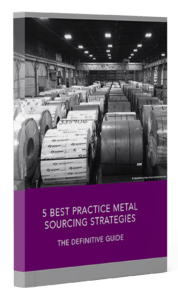
For companies managing a steel category for the first time, this brief on the 5 Best Practices of Metal-Based Sourcing can help with upcoming supplier negotiations. This brief describes how to use cost breakdowns to separate out the conversion/processing costs from metal prices, why one should buy by weight vs. by the piece, the importance of “3” in supply awards, and two other best practices, all designed to help reduce the cost of goods sold.
Have an upcoming negotiation for steel? Make sure you know how your service centers will negotiate steel prices with you. It doesn’t matter what form of steel you purchase; a strong understanding of which part of your steel purchase moves with an index and which elements should remain fixed will help mitigate market volatility.
Sage:
Your Competitive Edge in Steel Sourcing
Sage uses historical data and expert insights to provide comprehensive forecasts of carbon steel prices, giving your team actionable intelligence to inform ideal *buying opportunities. Sage’s platform equips you with the tools to navigate:
- Price volatility
- Supply chain disruptions
- Tariff impacts
This all helps you address these challenges and capitalize on opportunities as they arise.
*A period when market conditions indicate that purchasing metal now, or locking in a portion of future requirements, is likely to produce a more favorable cost or risk outcome than waiting.
Carbon Steel Key Takeaways
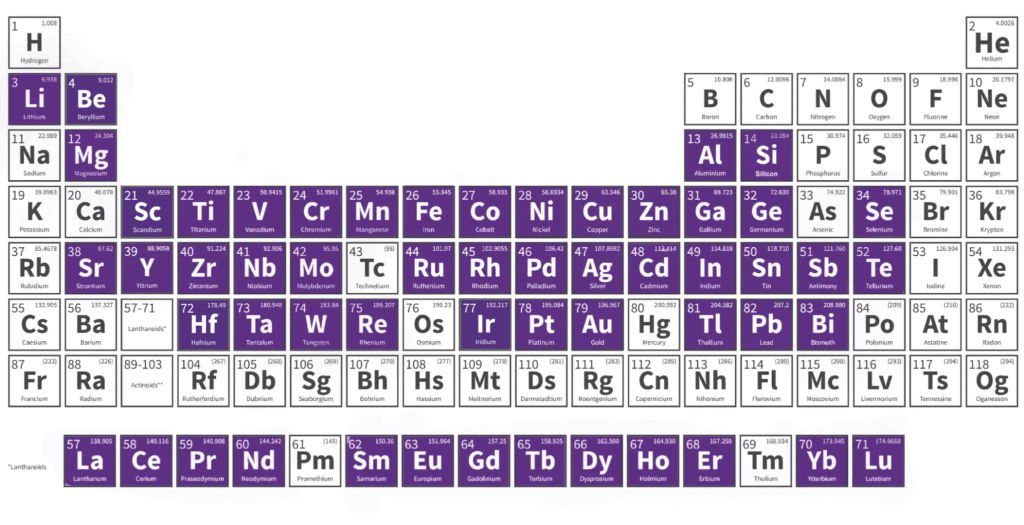
MetalMiner covers hot-rolled coil, cold-rolled coil, hot-dipped galvanized steel and plate across North America, Europe, China, Japan and South Korea, plus Korean rebar and COMEX HRC. Coverage includes grades such as A36, Grade 50 and galvanized G30, with North American price history going back 10 years and forecasts 12 months ahead.
Buyers have to compare prices across several different forms and five major regions of the world all at once. On top of the base price, mills add extras, which are standardized, cataloged fees such as coating premiums and size adders, and those extras change what a company actually pays.
MetalMiner's should-cost models deconstruct every cost input inside a steel quote, including thickness adders, width premiums, coating charges and spec surcharges. They cover standard grades A36, CS and DS and high-strength grades 80, 90 and 100, whether a buyer purchases mill-direct or through a service center.
Supplier markups, shifting demand and regional pricing differences all move carbon steel prices at the same time. Together they make it hard to know what a buyer should pay for steel compared with what a supplier quotes.
Sage uses historical data and expert insights to forecast carbon steel prices and flag buying opportunities, meaning periods when buying now or locking in part of future needs is likely to cost less or carry less risk than waiting. It helps buyers work through price volatility, supply chain disruptions and tariff impacts.
The MetalMiner MCP Server gives AI agents and assistants such as Claude, ChatGPT, Cursor and Perplexity direct access to MetalMiner's carbon steel intelligence, replacing generic AI price answers with sourced data. Agents can pull current prices, historical benchmarks and, where enabled, forward-looking forecasts and should-cost data to support sourcing, finance and supply chain decisions.
Market Signal forecasts U.S. HRC, CRC, HDG and plate prices 12 months ahead, giving purchasing and finance teams a forward view for contract timing, budgets and hedging. Its disruption modeling shows how a tariff, sanction or supply shock would move those prices against a baseline.
Learn How We Partner With Our Clients
We’re always looking for input, as well as opportunities to expand our offerings to help buying organizations purchasing metal. Interested in steel metal prices and market trends? What about advice on copper prices, negotiations and cost-downs? Reach out to us and let us know!
What Is MetalMiner’s Goal?
The goal of MetalMiner is to help companies better manage margins. Along with this, MetalMiner strives to assist organizations in generating cost savings and cost avoidance, smoothing out metal price volatility, and meeting profitability targets.
When used consistently, MetalMiner’s buying guidance affords companies both cost-saving and cost-avoidance opportunities.