

An AI metal price number doesn’t carry meaning on its own in procurement risk management. Before an AI model can calculate, compare, summarize, or explain, it needs the market identity behind that number. Take a simple question: “Did our aluminum cost rise in 2024?” An AI system that retrieves only “the aluminum price” can answer […]
Category: Carbon Steel
A Metals Price Answer from AI That Sounds Correct, but is Actually Wrong

“Steel prices are rising, so companies should wait before placing orders.” That sentence sounds plausible. It may even prove directionally right. It still fails the test that matters in sourcing, cost planning, and risk management. Can anyone audit it? It names no benchmark. “Steel” could mean hot-rolled coil, cold-rolled coil, galvanized sheet, plate, stainless sheet, […]
How to Build an AI Workflow Around Metal Prices, Forecasts and Buying Signals
An effective AI workflow around industrial metal prices does not begin with AI. It begins with identifying the commercial exposure. Before an AI system can interpret price movements, evaluate a supplier quote, summarize a forecast, or trigger an alert, it needs to know exactly what the organization buys and how those purchases are priced. That […]
Why Generic AI Models Need Specialized Metal Pricing Data
Industrial organizations do not buy “metal” or “metals market intelligence”. They buy a specific benchmark, product form, unit, regional basis, currency, and date. That distinction is where generic AI models begin to struggle. A large language model can produce a polished answer to a pricing question while omitting the commercial details that determine whether the […]
How to Judge Forecast Performance in Metals: Setting up an MCP for Metal Prices

Industrial metals intelligence is no longer consumed solely through reports and market dashboards. Now, companies can set up an MCP for metal prices (Model Context Protocol). Increasingly, proprietary metal prices, forecasts, and analytical models are retrieved directly by AI agents through APIs. That shift fundamentally changes how organizations should evaluate metal price forecasting. A forecast […]
What Ideal Metal Price Forecasting Looks Like for Decision-Makers
When companies tell us they have a metal price forecasts, or procurement market intelligence, we ask a simple question: “A forecast of what, exactly?” A generic steel outlook or copper forecast may describe where the market appears to be heading, but it rarely answers the questions procurement and finance leaders actually need to answer. Those […]
Metal Price Volatility Isn’t the Risk, Being Unprepared Is
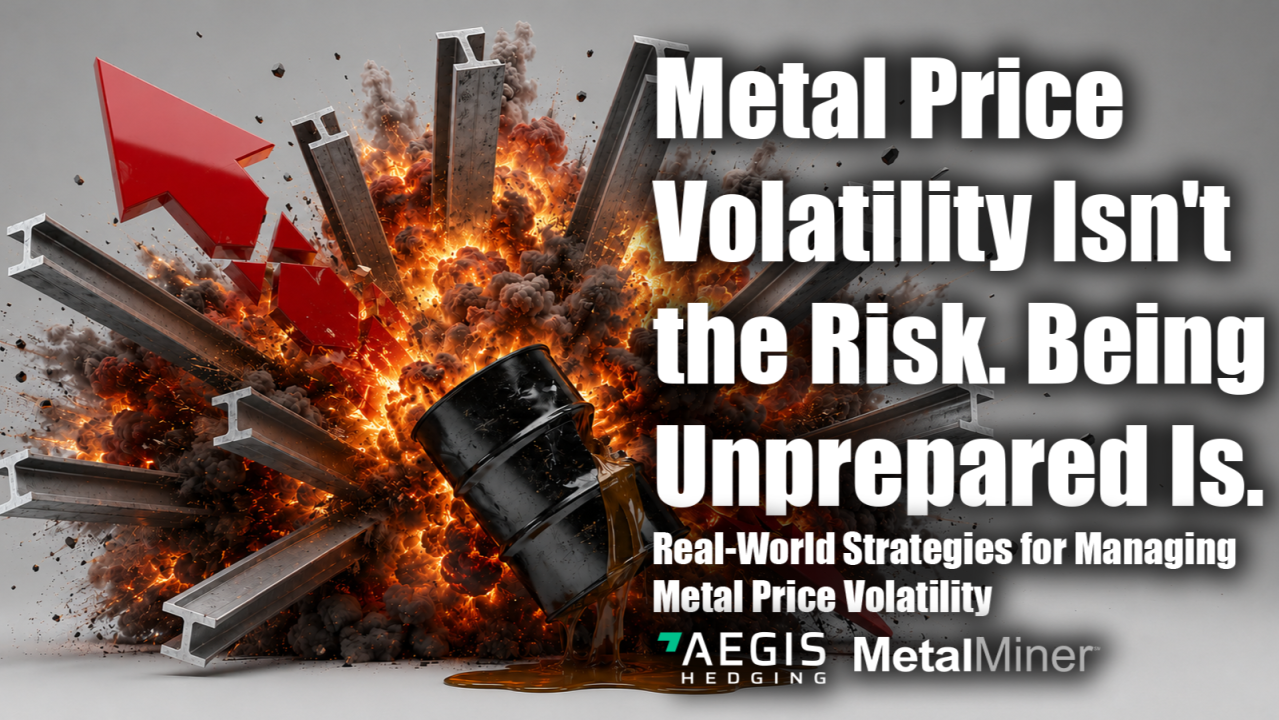
For steel, aluminum and copper buyers, the biggest risk in 2026 is not metal price volatility itself. It’s the metal price forecasting methods behind it. The bigger risk is being unprepared for how volatility affects budgets, supplier pricing, sourcing decisions, forecasting confidence and profit margins. Procurement teams cannot control tariffs, geopolitical instability, supplier behavior or […]
The Best Strategies for Comparing Steel Prices From Various Suppliers

If you compare steel prices and quotes by entering supplier bids into a spreadsheet and highlighting the lowest number, you’re not really comparing prices. Instead of comparing prices, here’s what you’re really looking at: Understanding this is important. Many sourcing teams think they’ve found a competitive quote when, in fact, they’ve only accepted a different […]
Why Steel Price Forecasts Matter More Than Ever
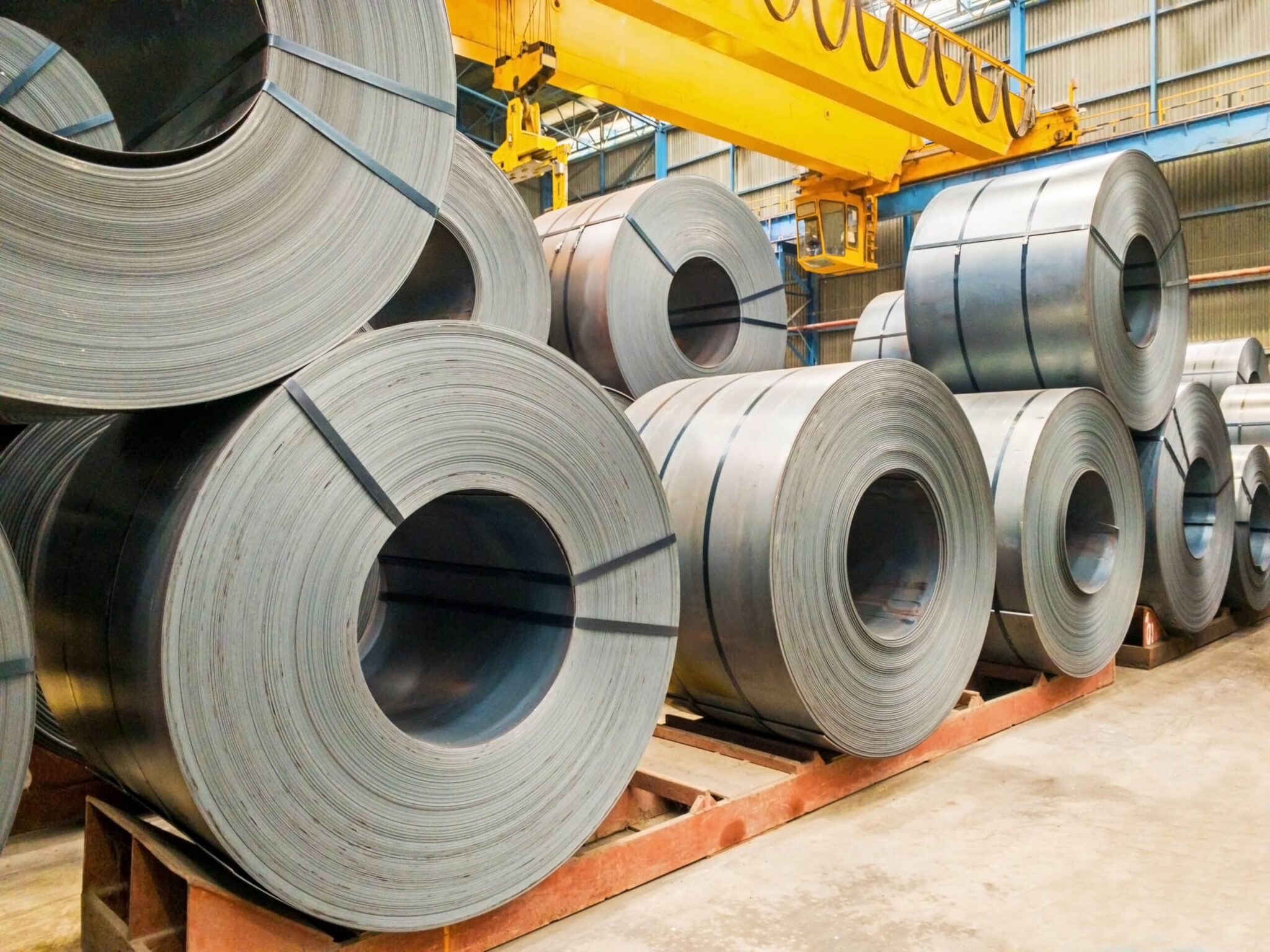
Steel buying becomes much more difficult when price transparency disappears. For manufacturers, sourcing leaders, and finance executives, steel prices affect far more than purchase orders. They shape margins, customer quotes, inventory values, contract negotiations, and overall budget confidence. That is why a disciplined approach to the development of steel price forecasts matters. The goal is […]
How MetalMiner Combines Human Expertise and AI to Deliver Actionable Metal Price Forecasting
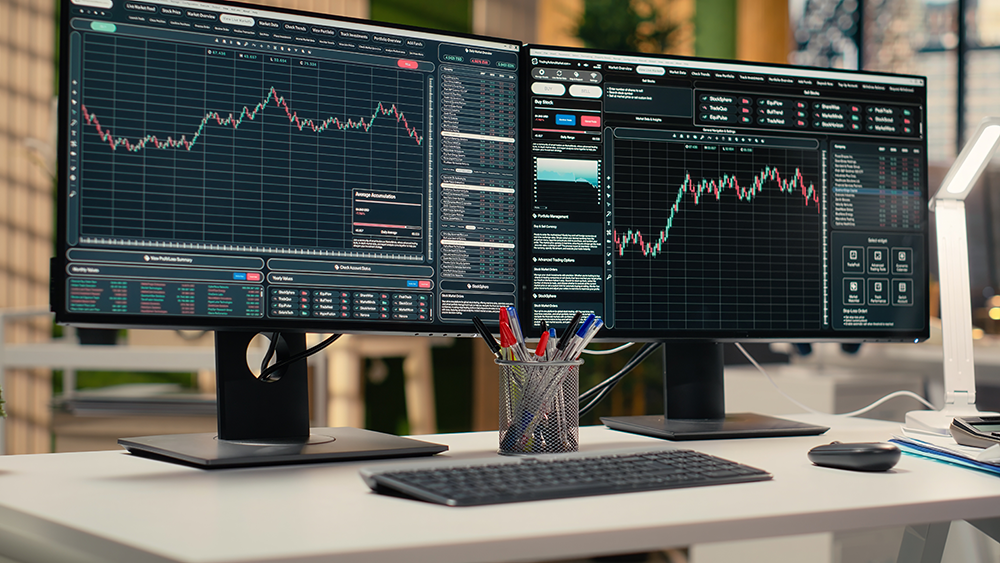
A procurement platform is only useful if it reflects real procurement purchasing risks. That means steel, aluminum, copper, stainless, critical minerals, and all other types of industrial metals which require metal price forecasting. If your team buys across any of these categories, you should not need multiple tools to understand your position. You should only […]