
Base metal exposure in supply chain risk management does not move in a straight line, so procurement teams need more than a benchmark view. The strategic question is how a defined disruption could alter the range around that benchmark and change the timing of a decision. That disruption may be any of the following: The […]
Category: Commodities
Adding Metals Forecasts and Disruption Scenarios to Your Company’s AI Assistant

A metal price AI question regarding supply chain risk answers a narrow question: “What did this published series show?” However, metal sourcing decisions usually require a broader one: Consider a hypothetical team monitoring copper. The Signal Layer inside Market Signal shows the material moving toward a more elevated price risk range. Using the Signal Layer, […]
How to Build Metals Risk Alerts on the MetalMiner Signal Layer
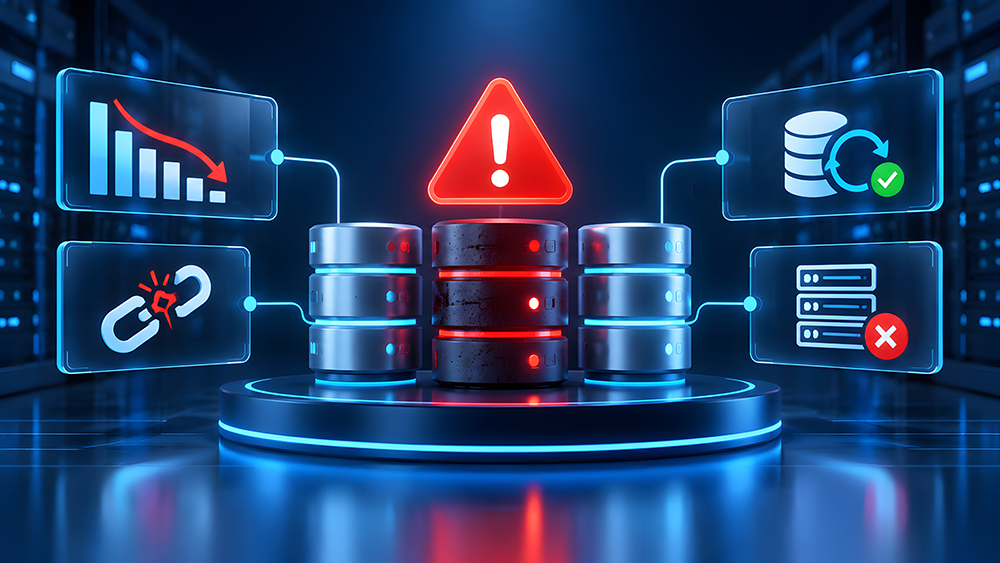
Raw-price thresholds can turn alerting into a permanent modeling project and supply chain intelligence source. A team must decide whether a 5% move outranks a 10% move, choose a comparison window, and set how volatility affects the rule. Then it has to tune, backtest, maintain, and defend those choices across materials that have little in […]
Why Can’t an AI System Answer a Metals Cost Question From The Price Alone?
An AI metal price number doesn’t carry meaning on its own in procurement risk management. Before an AI model can calculate, compare, summarize, or explain, it needs the market identity behind that number. Take a simple question: “Did our aluminum cost rise in 2024?” An AI system that retrieves only “the aluminum price” can answer […]
A Metals Price Answer from AI That Sounds Correct, but is Actually Wrong

“Steel prices are rising, so companies should wait before placing orders.” That sentence sounds plausible. It may even prove directionally right. It still fails the test that matters in sourcing, cost planning, and risk management. Can anyone audit it? It names no benchmark. “Steel” could mean hot-rolled coil, cold-rolled coil, galvanized sheet, plate, stainless sheet, […]
An MCP-Fed Metal Exposure Dashboard Cannot Run on Metal Market Data Alone

A live metal market data cost dashboard built entirely from market data calls will misstate exposure. MetalMiner MCP (Model Context Protocol) data supplies market price, premium, surcharge, technical, and forecast inputs that eliminate manual price drops from the workflow. It cannot supply the bill of materials, demand plan, supplier contracts, purchase orders, scrap factors, or […]
How to Log and Reconstruct an AI Metal Price Answer
Metal market prices in AI prompts are not answered by an AI agent; they are an auditable evidence package, not a paragraph of generated text. A person may later ask why an answer cited a particular number. That number could be a hot-rolled coil price, a COMEX copper basis, a 304 stainless specification, a Midwest […]
Aluminum MCP Servers: LME, Premiums, and Alloy Intelligence
Aluminum prices and purchasing decisions rarely start and end with an exchange print. Companies need to know what aluminum costs at the relevant commercial point: MetalMiner’s aluminum MCP server returns those components as separate structured values. An AI agent can then build a delivered aluminum cost instead of mistaking a benchmark for an invoice-equivalent number. […]
Why Generic AI Models Need Specialized Metal Pricing Data
Industrial organizations do not buy “metal” or “metals market intelligence”. They buy a specific benchmark, product form, unit, regional basis, currency, and date. That distinction is where generic AI models begin to struggle. A large language model can produce a polished answer to a pricing question while omitting the commercial details that determine whether the […]
How Aclara Plans to Build a Rare Earth Supply Chain Without China by 2028
In a move to offset China’s monopoly on rare earth metals and export restrictions, Aclara Resources plans to commission upstream and downstream sites in the Americas by 2028 to produce those critical minerals. More specifically, the Toronto-listed company primarily aims to produce the heavy rare earths dysprosium and terbium (DyTb), as well as the light […]